Programming
Marianne Rouche
Micro-residency at La HALTE: Mais où est partie la ville ?
Marianne Rouche will be participating in a two-day micro-residency at La HALTE to draw inspiration from the DARE-DARE library.
View more
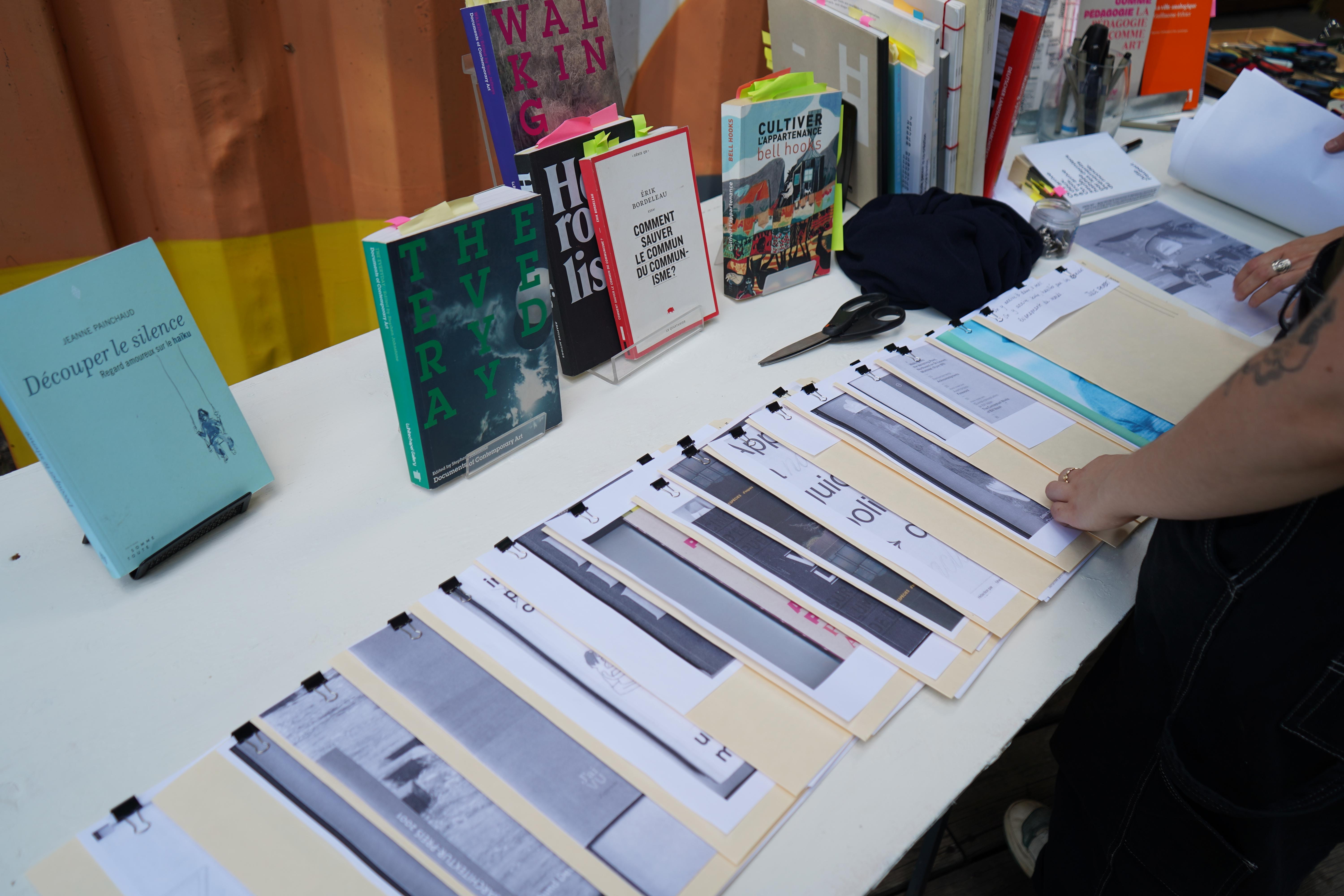
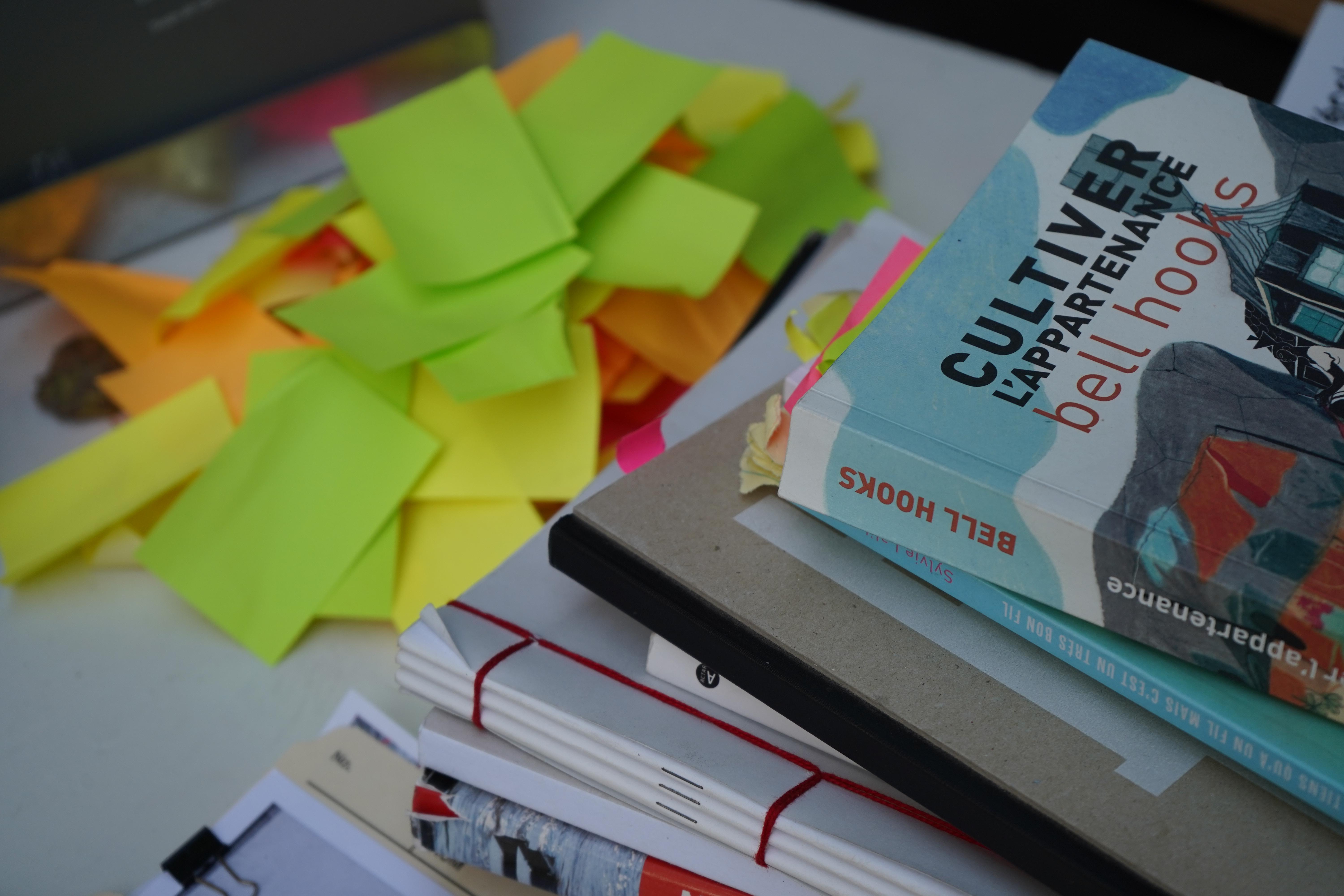
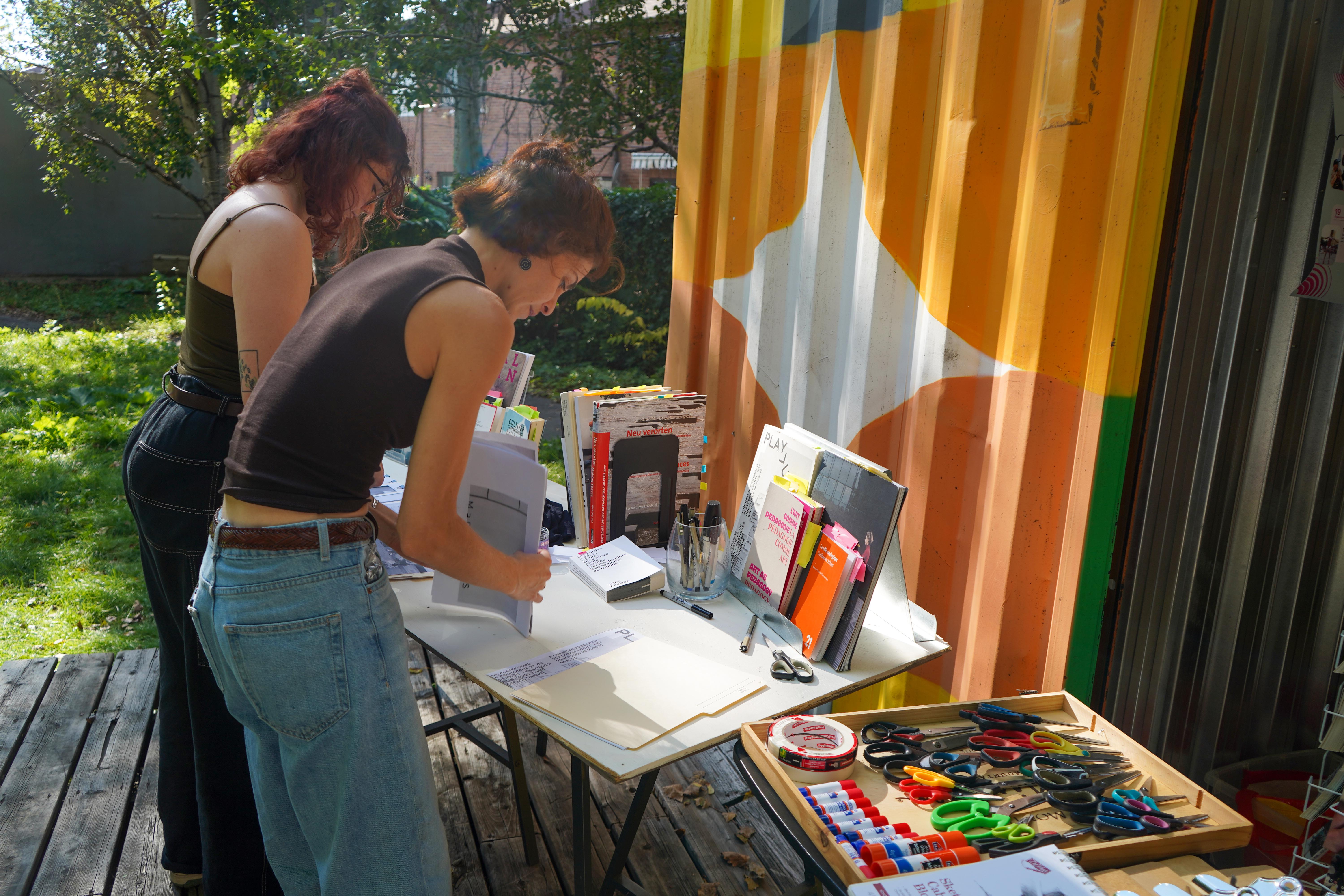
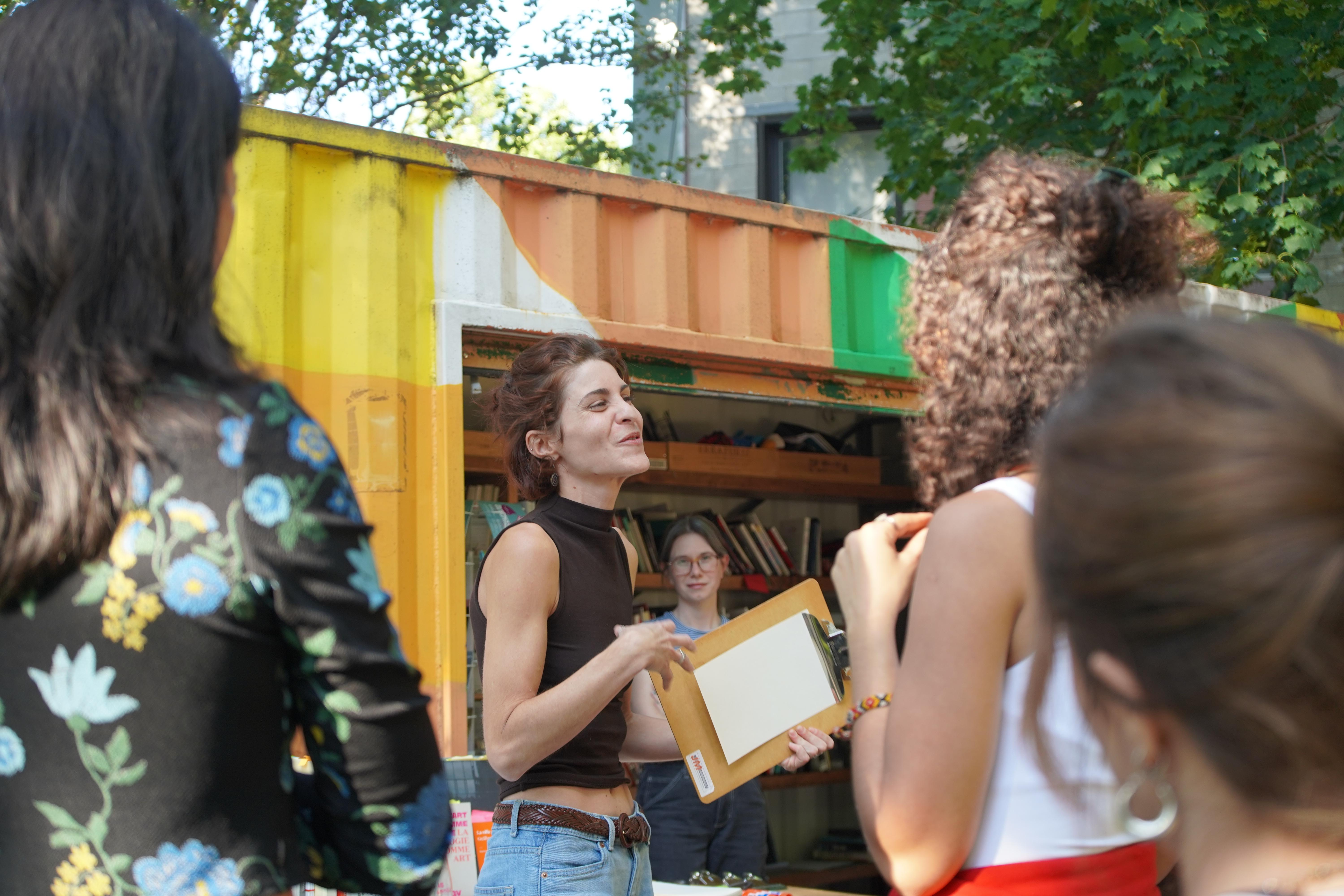
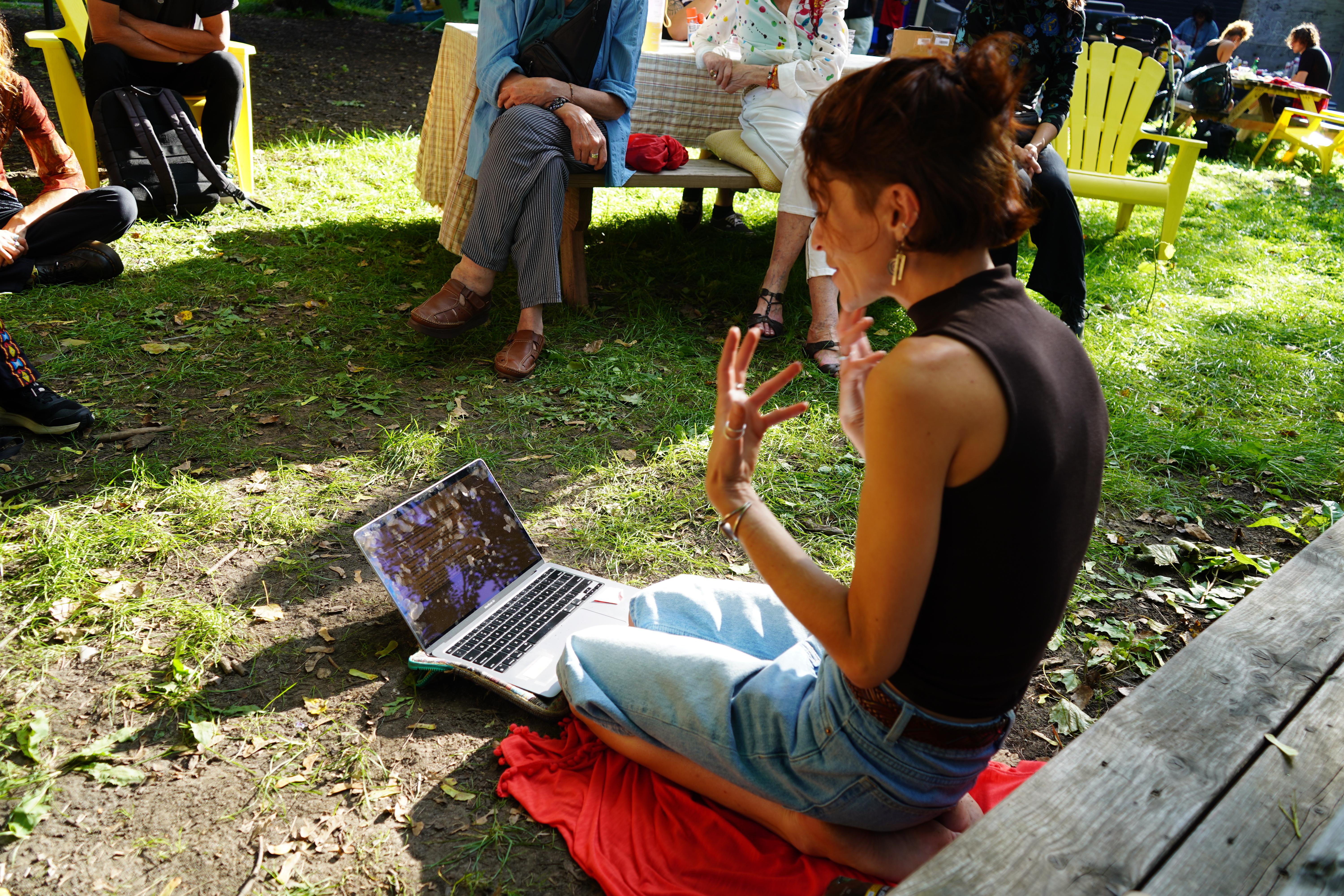
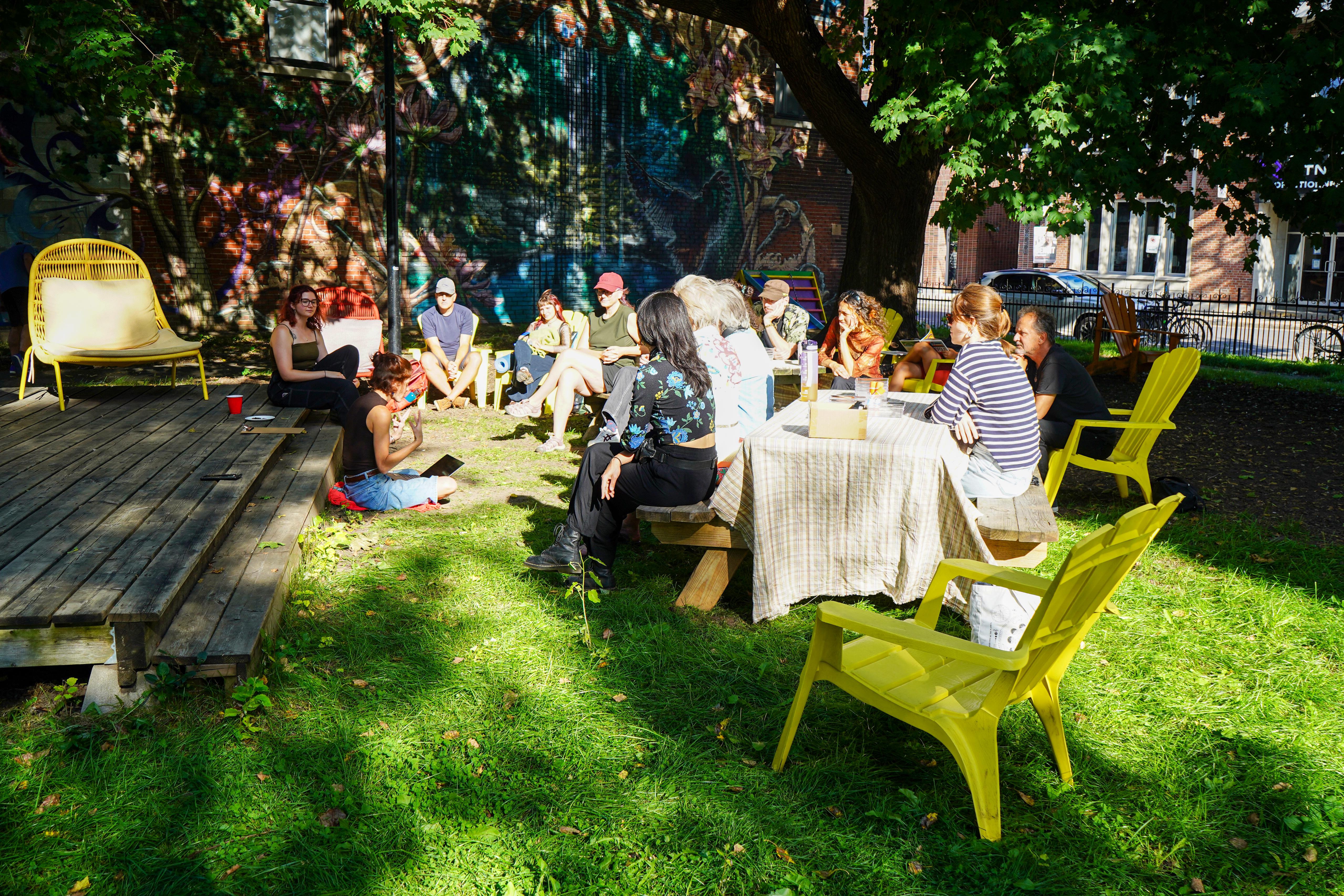
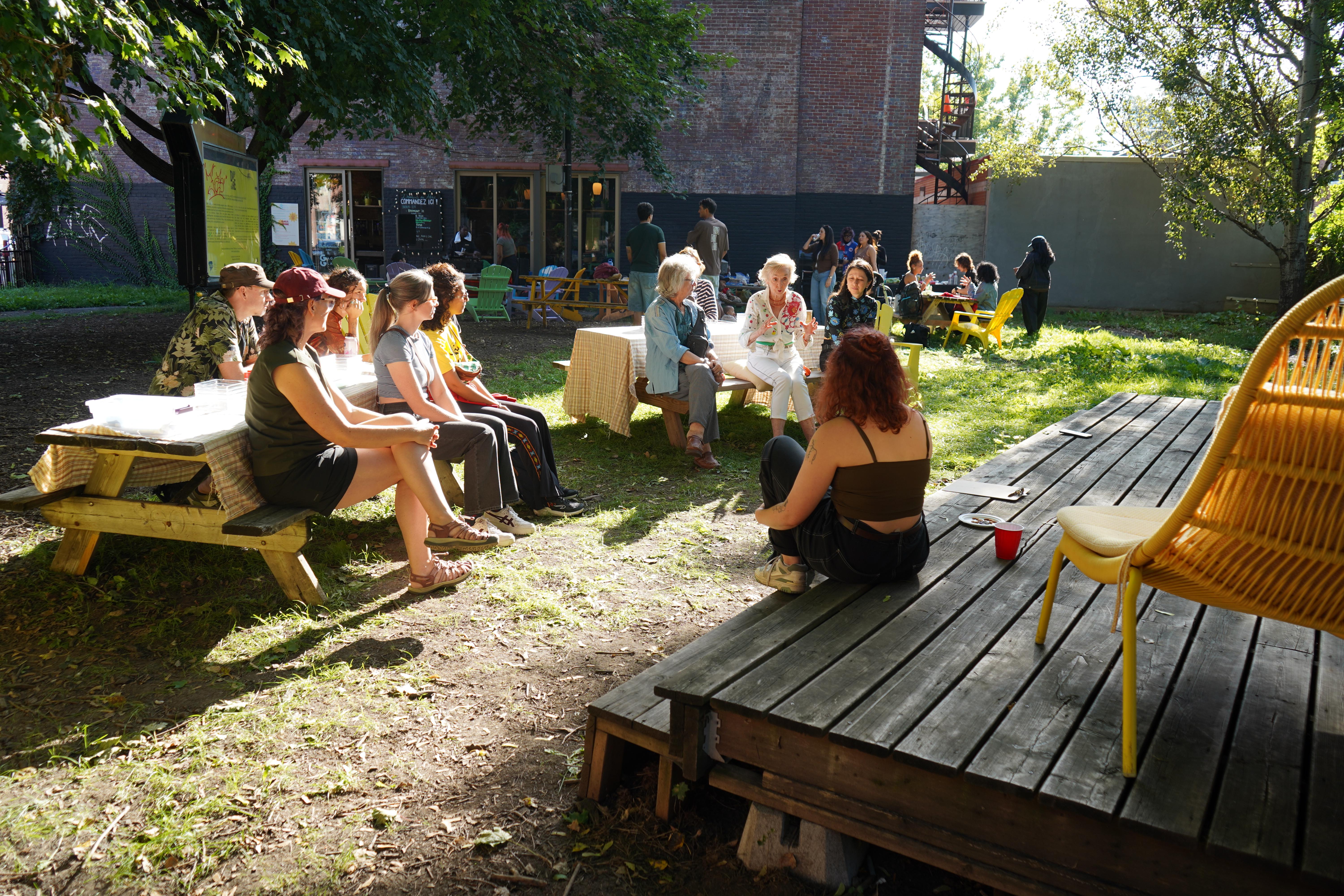
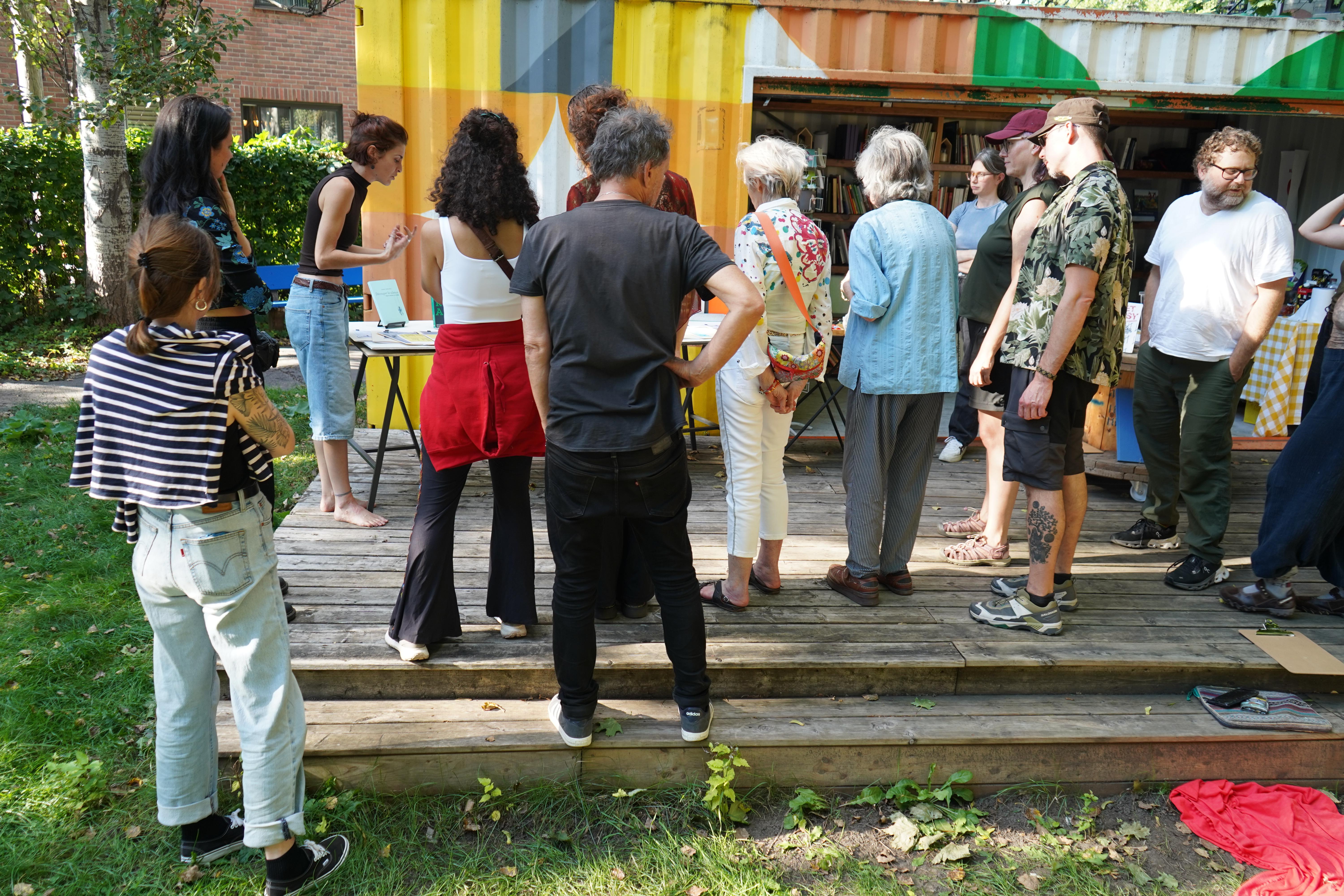
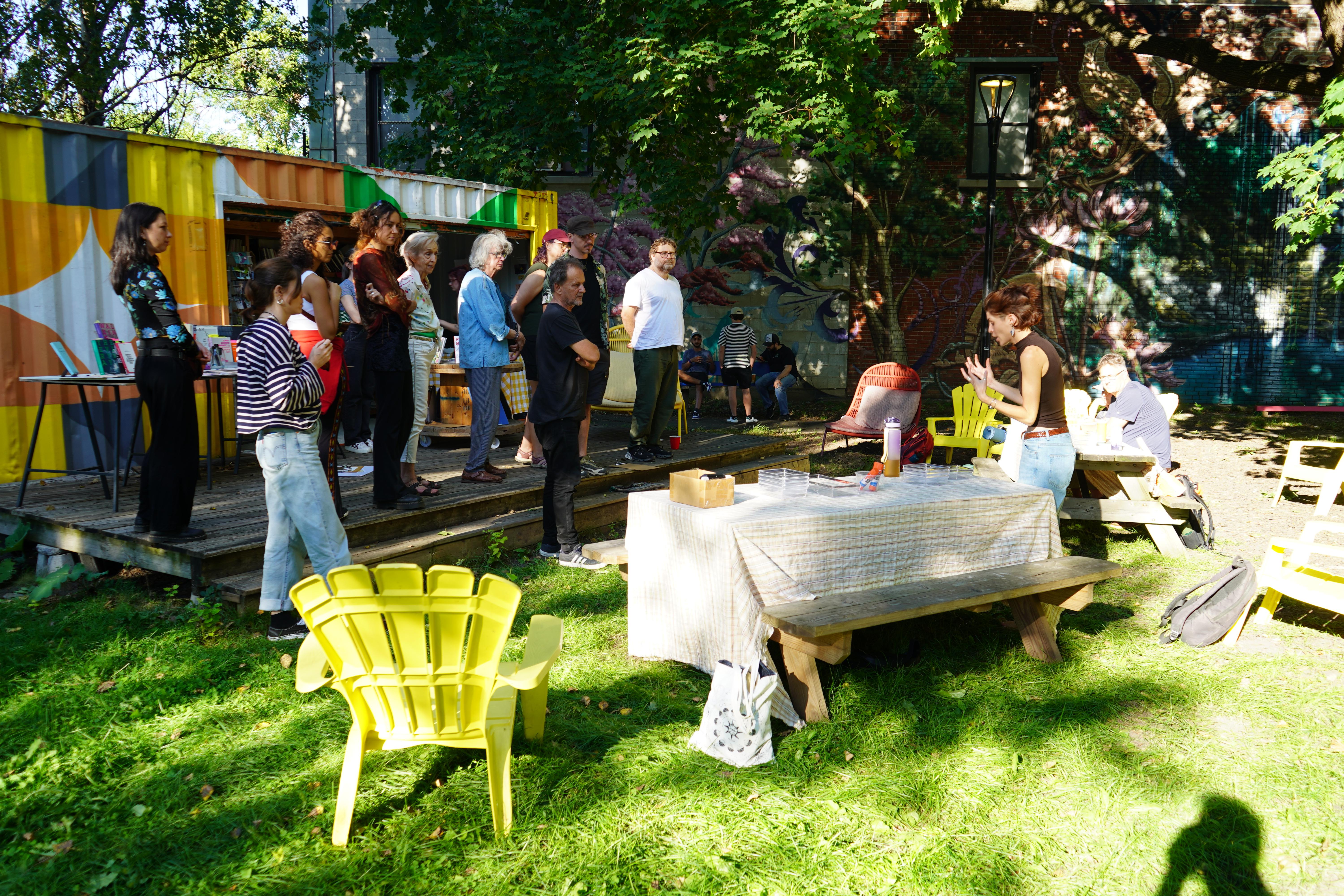
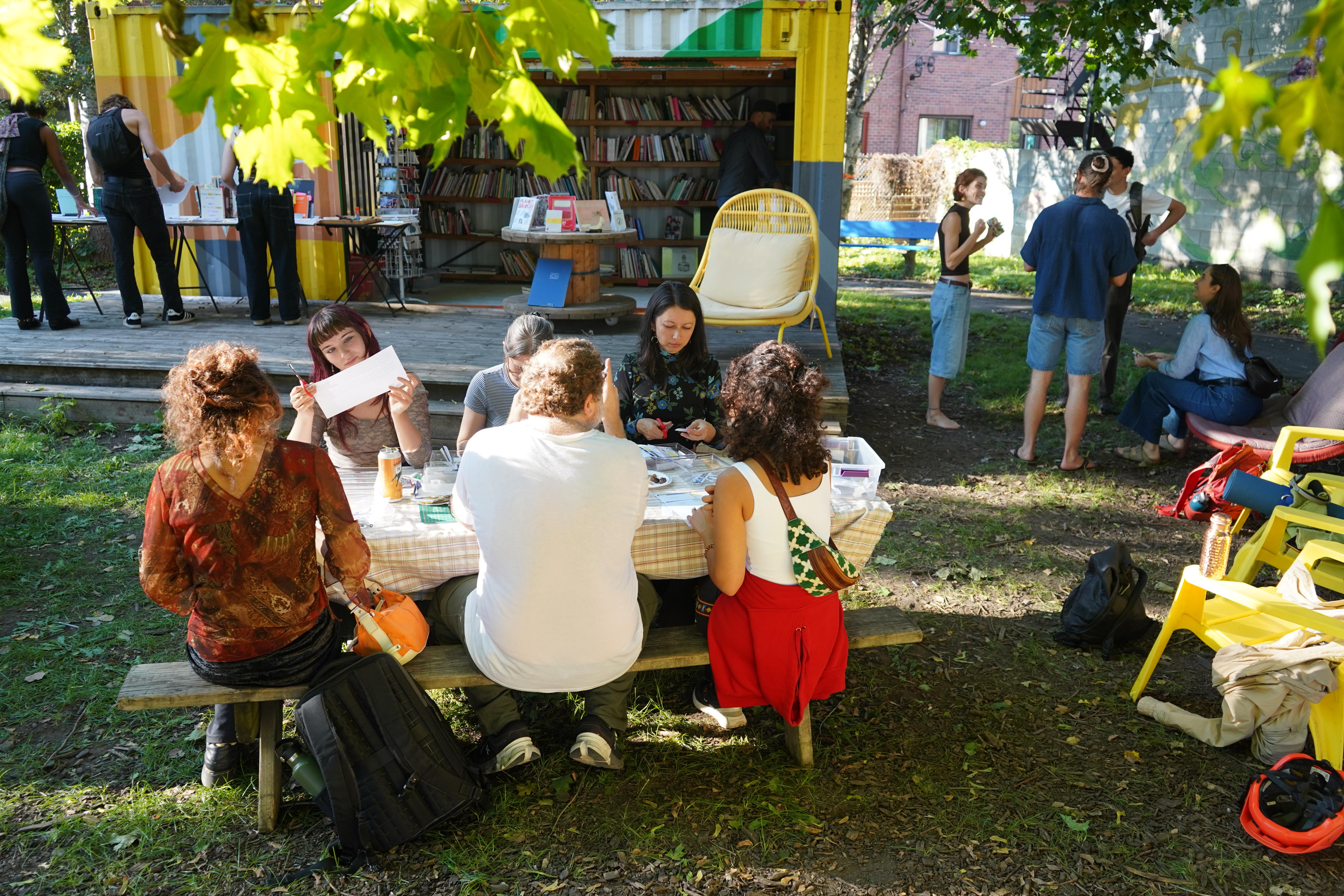
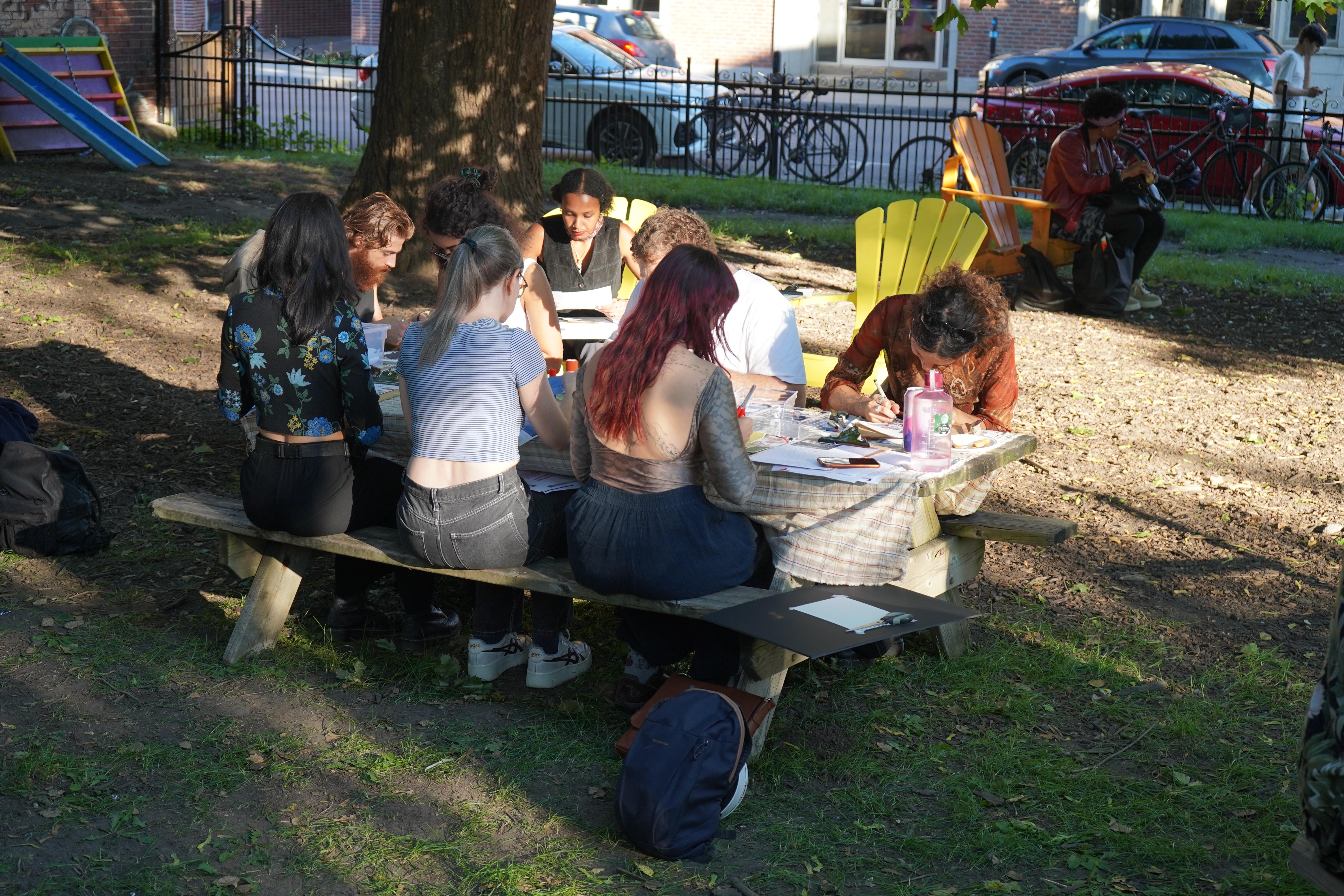
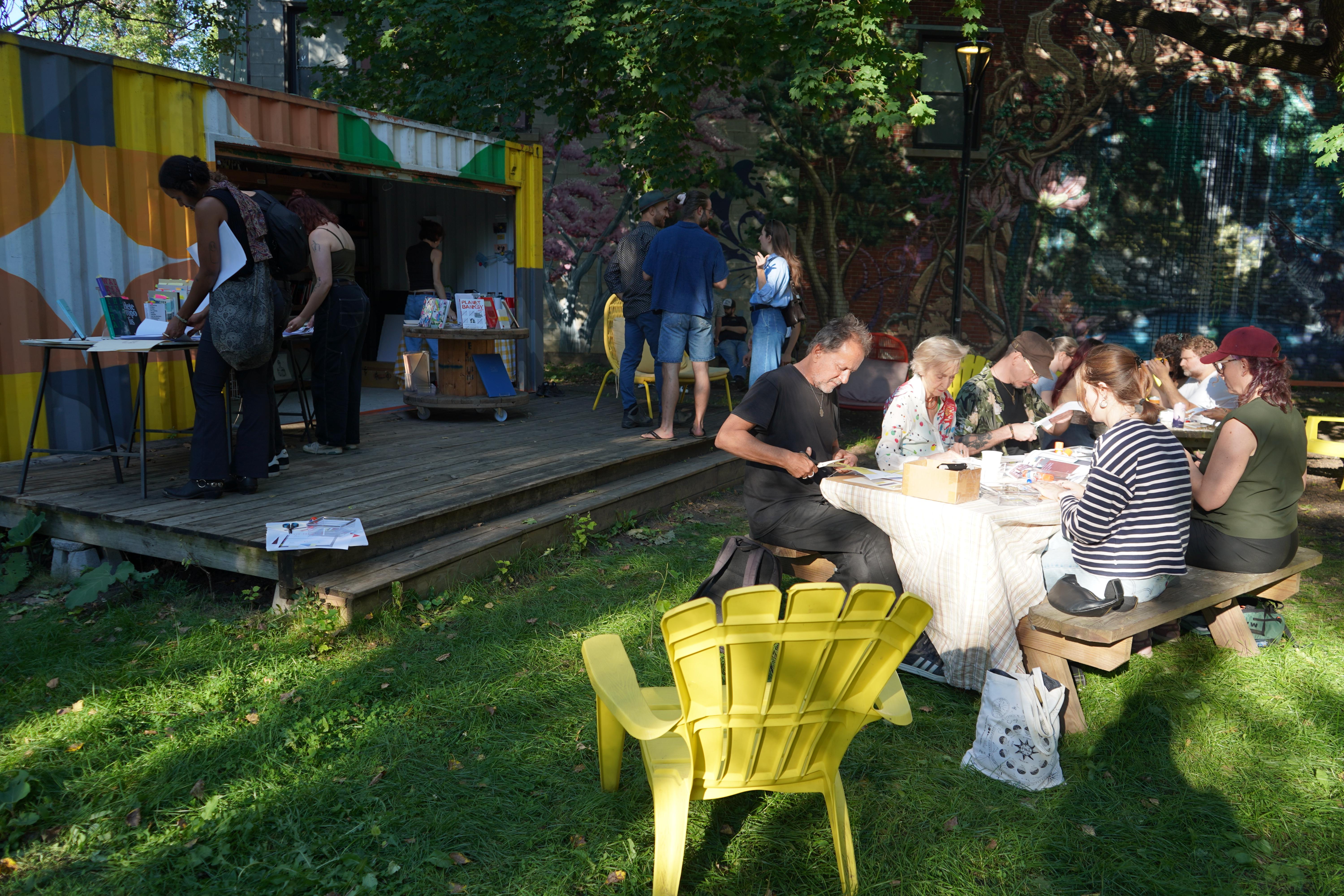
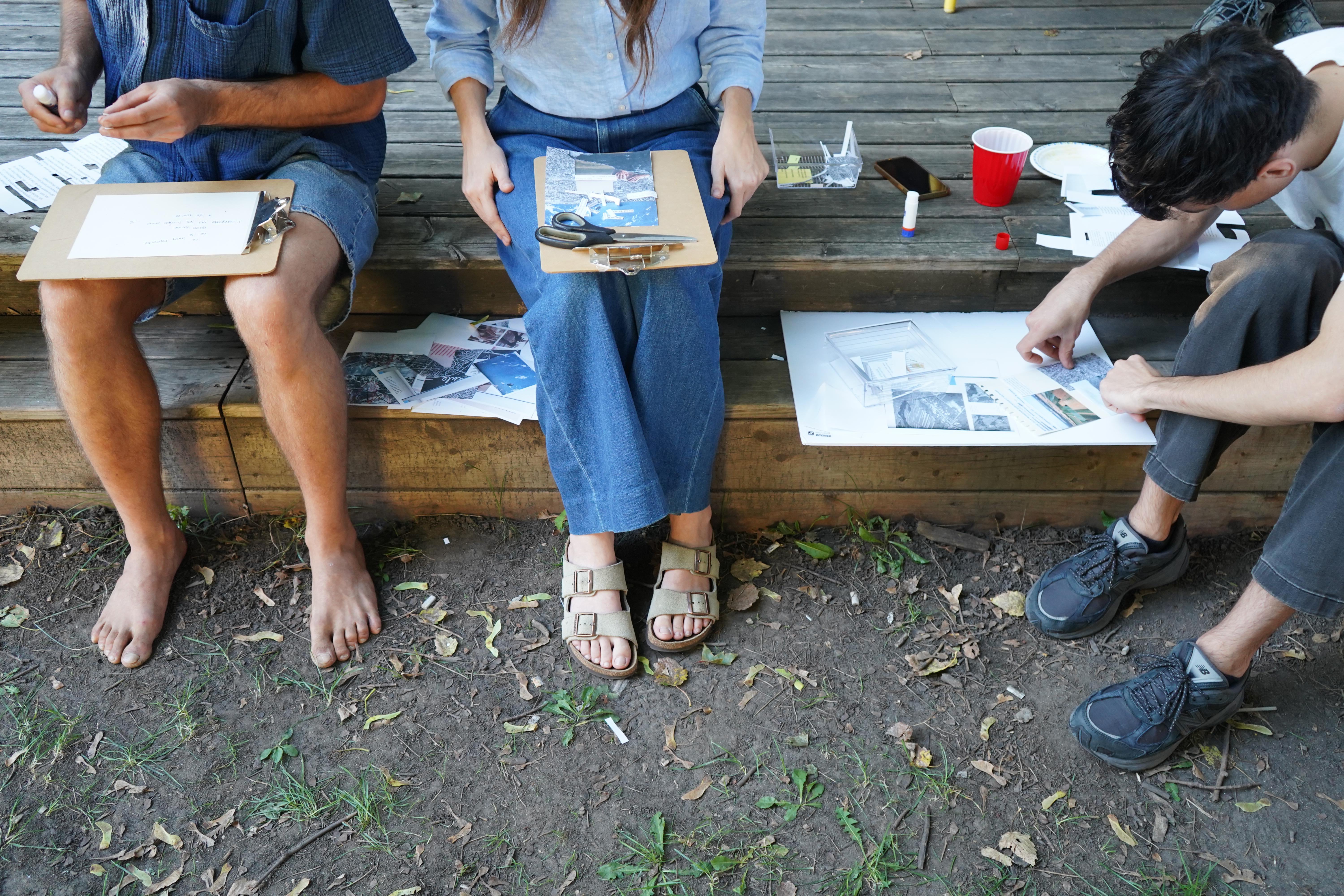
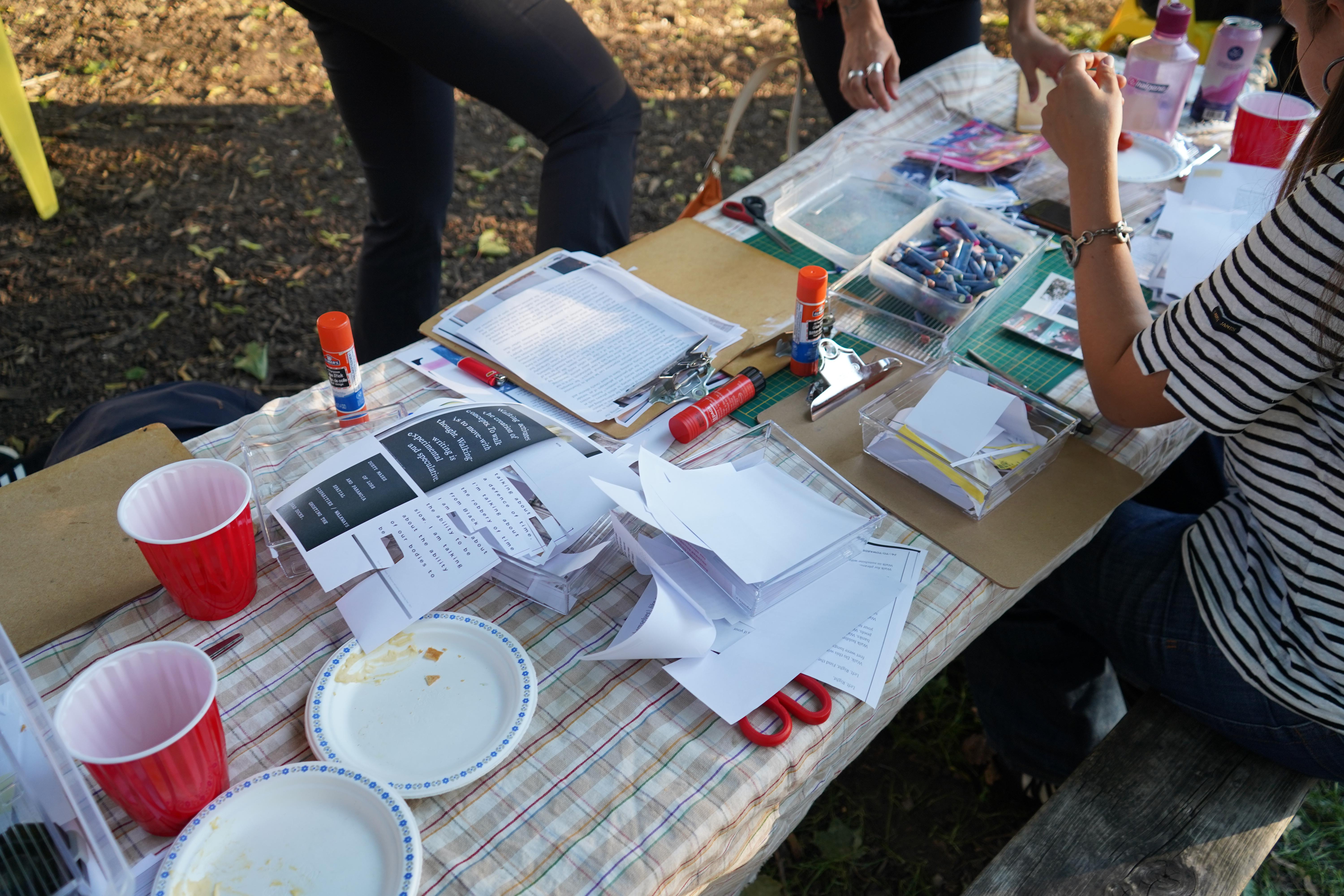
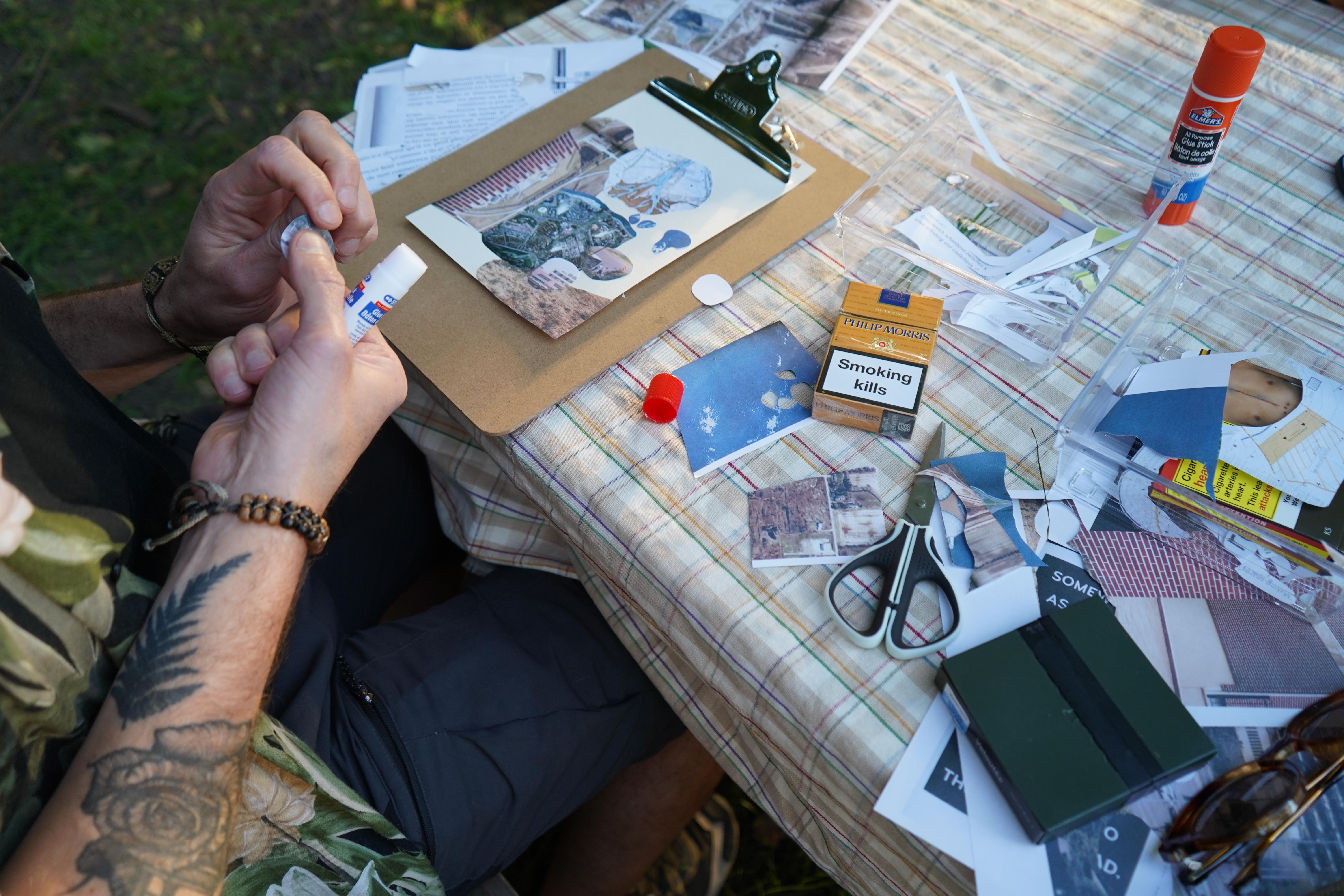
DARE-DARE invites you to participate in a workshop led by Marianne Rouche, as part of her micro-residency at La HALTE.
Sunday, September 6, from 4 p.m. to 7 p.m.
La HALTE (Sainte-Cunégonde Park)
Mais où est partie la ville ?
Mais où est partie la ville ? is a research-creation project that explores our right to the city, a concept theorized in the late 1960s by philosopher and sociologist Henri Lefebvre: the right—and the duty—of residents to participate in the creation of the city—to inhabit it, conceive it, dream it, and build it collectively.
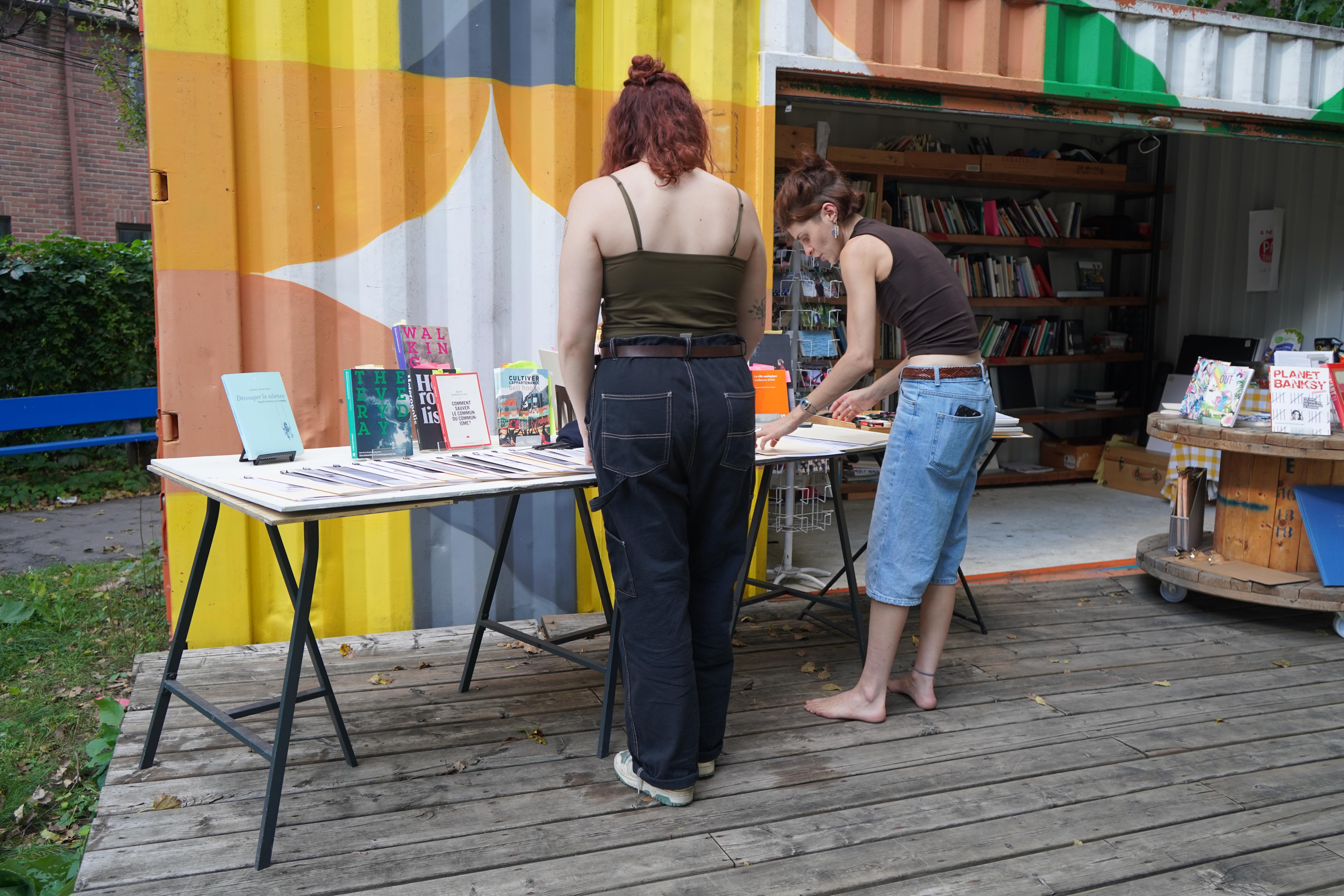
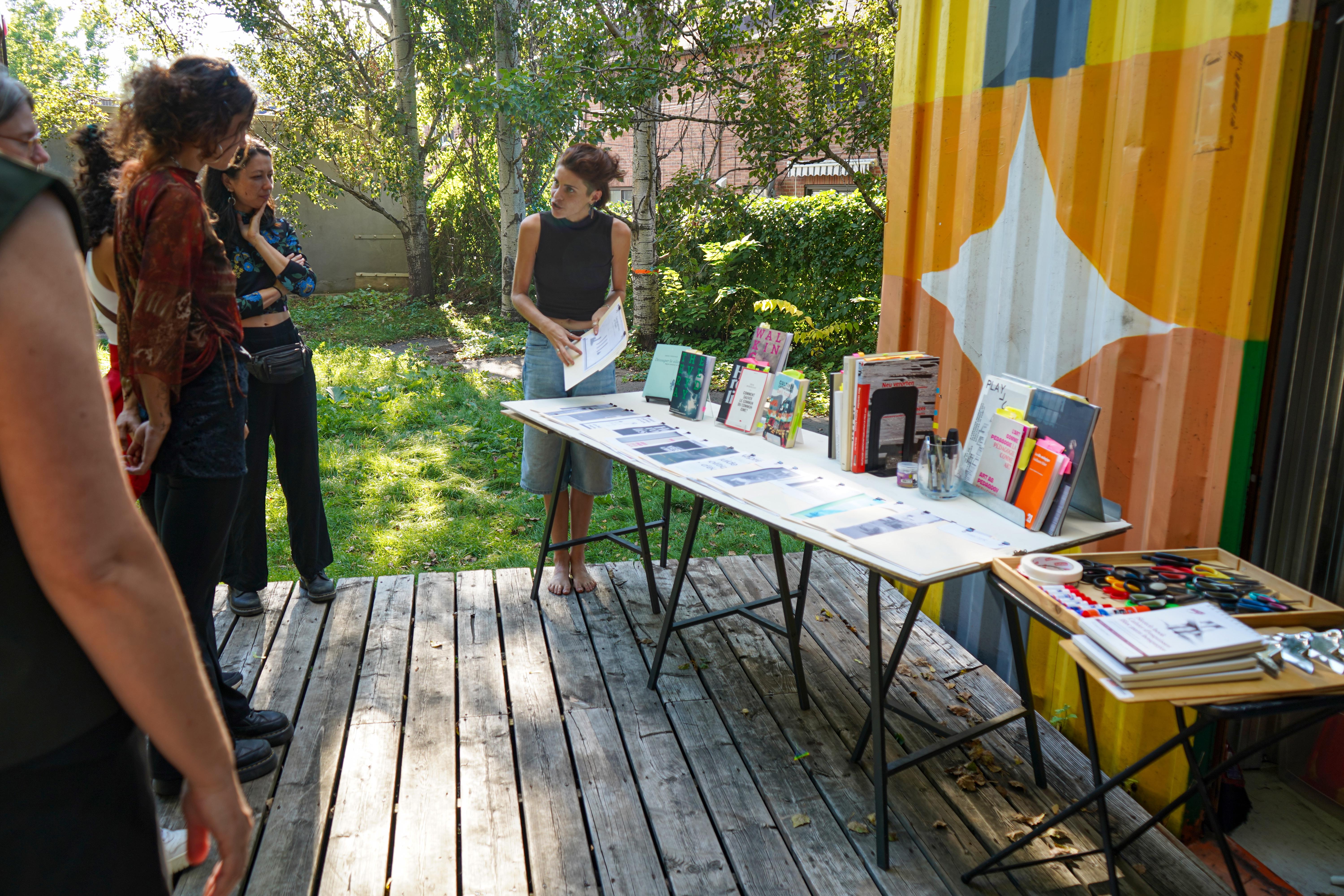
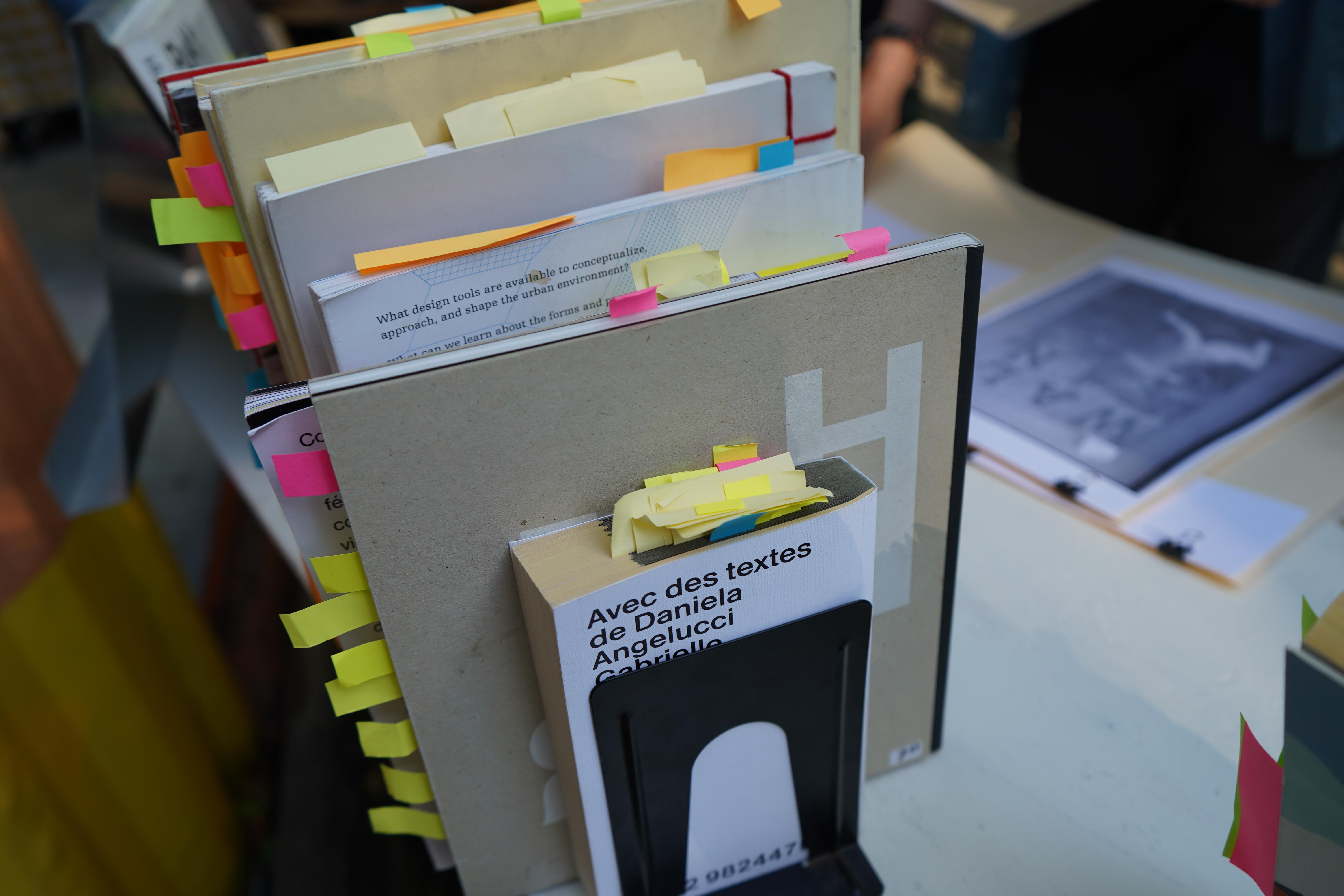
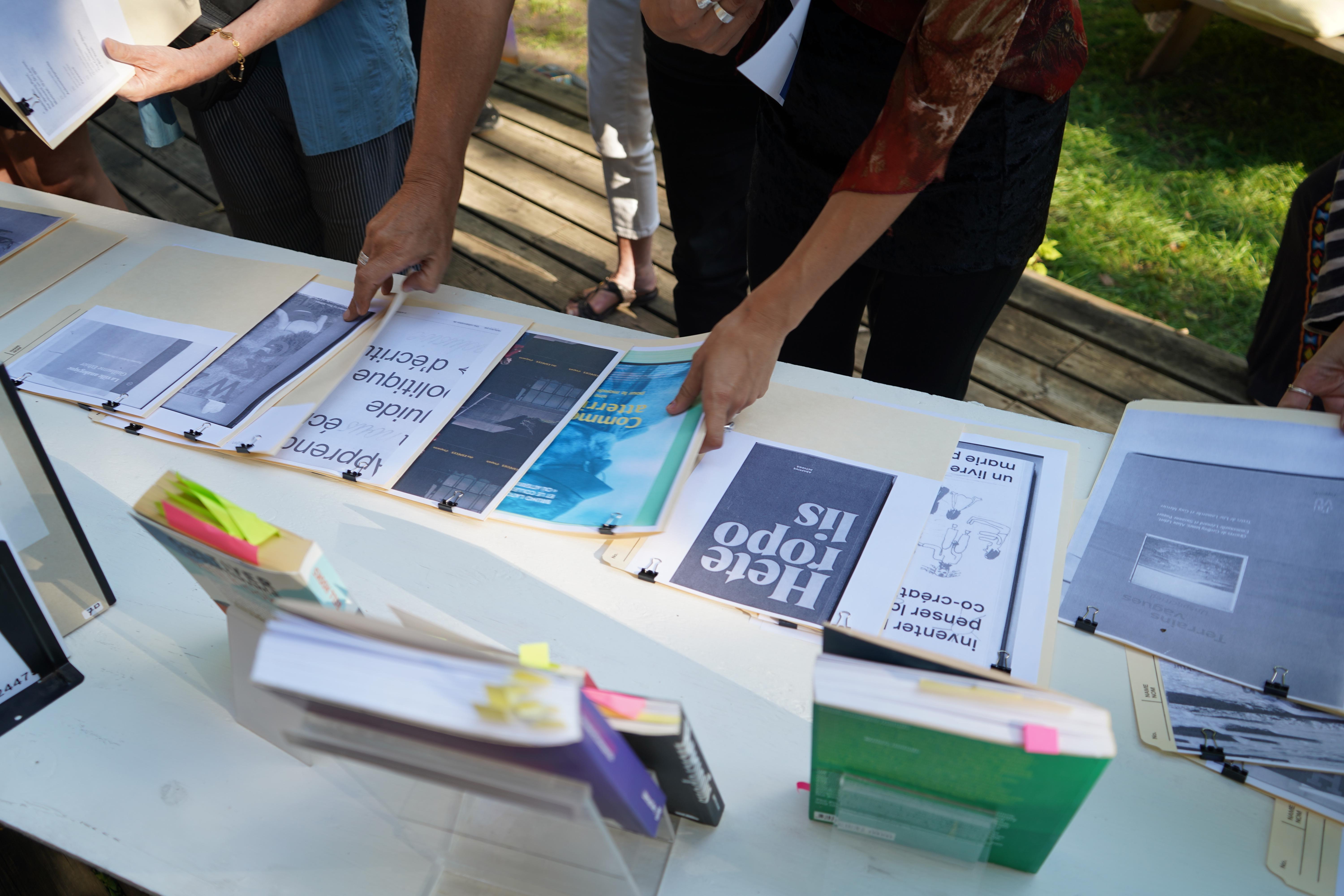
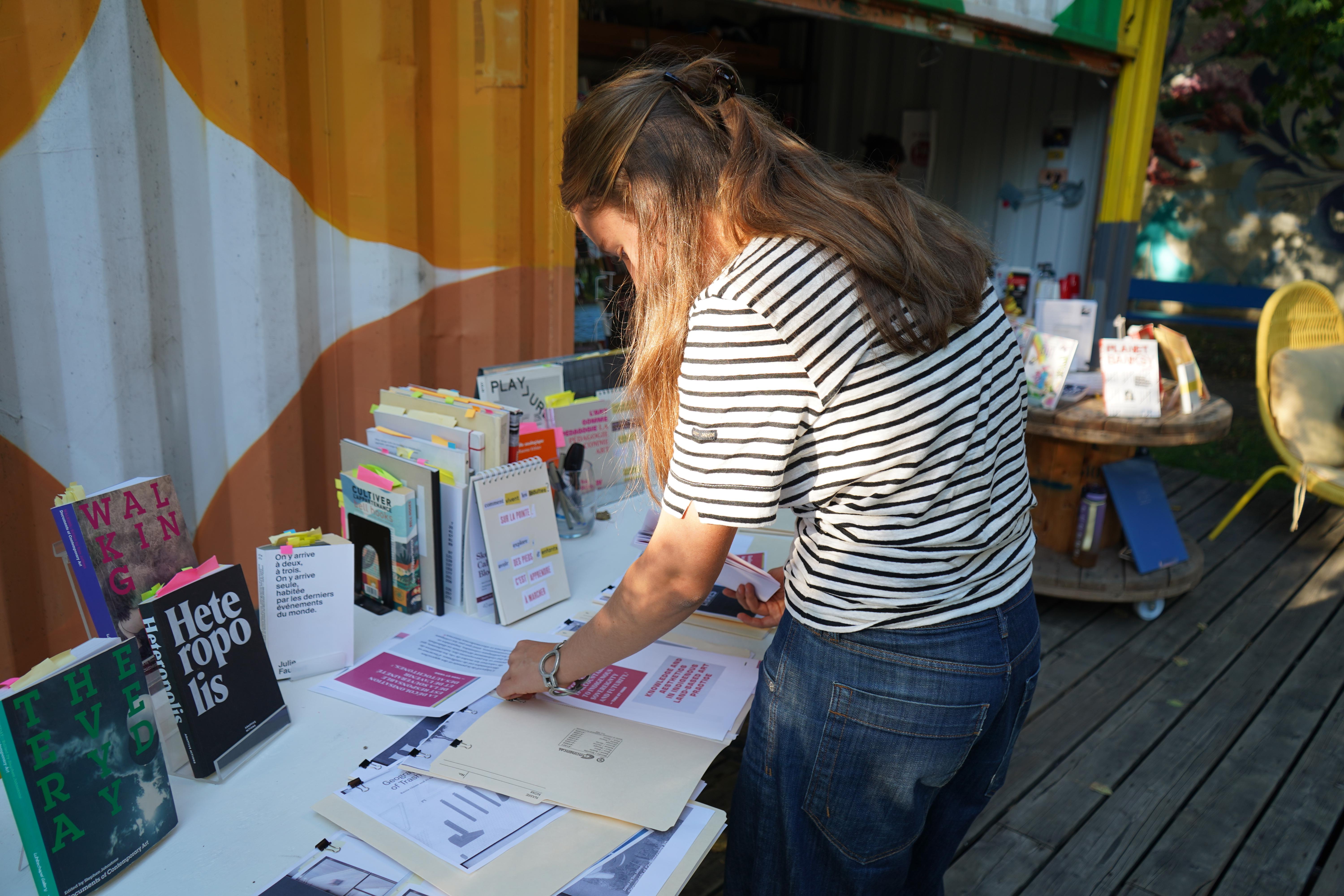
Drawing on the HALTE collection, Marianne Rouche embarks on a “biblio-drift”: a meandering journey through the library, guided by chance discoveries, associations, and echoes, much like drifting through a city. The fragments gathered—words, images, quotes—become the raw material for a cut-up workshop, a technique that involves breaking down texts to reassemble them in new ways and allow unexpected forms of meaning to emerge.
Open to everyone, the workshop is an invitation to build the city with our own hands, to read it and tell its story, to blend our voices to compose together the pages of a manifesto-collection, and to leave with the “biblio-drift” as a divination game to be replayed at home, anywhere, anytime.

Marianne Rouche
Marianne Rouche is an artist and cultural worker with a background in anthropology and intermedia arts. Drawing on qualitative, reflexive, and situated methodologies, her practice oscillates between the personal and the social, exploring both phenomenological experience and the issues shaping our times. Through sound, writing, image, and performance, she creates sensory portraits and seeks to foster situations where encounters can emerge: with oneself, with others, and with the world.
Between the “natural” and the “cultural,” she focuses on the city and its interstices—where emptiness meets the built environment, and the obsolete meets the productive. She advocates for strolling as a mode of embodied knowledge and champions a philosophy of gentleness, conceived as an expansive political force and a catalyst for open and attentive relationality. She seeks to integrate this approach into alternative pedagogies that recognize the value of care, listening, multiplicity, and the provisional. To slow down. To sharpen the senses and cultivate forms of attention that reject the numbing of the thinking body.